
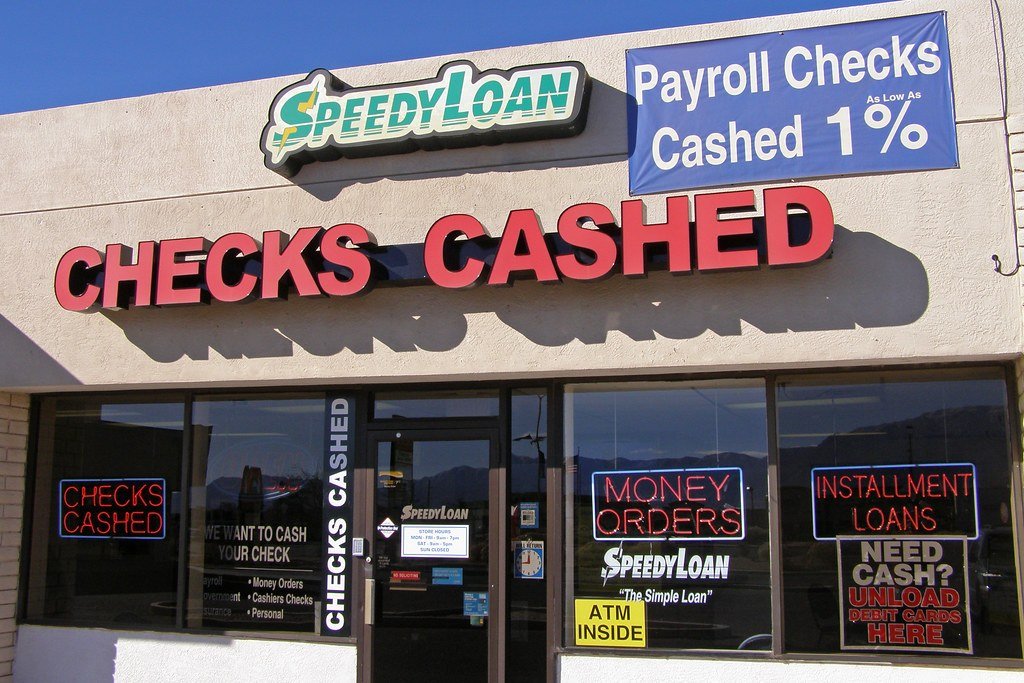
Can you actually navigate today’s credit market without losing a massive chunk of your long-term wealth to interest?
Most people treat borrowing like a binary choice: you either need the cash or you don’t. It feels like a simple transaction, a signature swapped for a sum of money that solves a problem right now. But real-world personal finance isn’t that clean. It’s a messy, psychological, and mathematical labyrinth that determines how much freedom you’ll actually have a decade from now.
The logic of debt is weirdly counterintuitive. We’re taught to save, to be careful, and to steer clear of debt. Yet, life often requires a bridge between what you earn today and what you’ll need tomorrow. Whether it’s a house repair, a medical bill, or a sudden career change, credit is a tool. Like any tool, it works only if you understand how the mechanics actually work.
Problems start when the tool becomes the boss. When you borrow, you aren’t just taking money from a bank; you’re trading pieces of your future income for present convenience. It’s a psychological contract that’s easy to sign but incredibly hard to break once interest starts pulling you under.
The Psychology of Borrowing Against Tomorrow
We tend to split money into two piles: what’s in our pockets now and what we’ll earn later. Psychologically, “future money” feels fake, almost imaginary. This mental gap makes it easy to justify a loan. When you look at a monthly payment, you aren’t seeing the total cost of the item; you’re just seeing that small, manageable slice of cash leaving your account next Tuesday.
That’s where the trap is set. If you borrow to fund a lifestyle your salary can’t actually support, you’re cannibalizing your future self. You’re taking the money you would have used for groceries or retirement five years from now and spending it on a car or a vacation today. It feels like a win in the moment, but it creates a permanent drag on your ability to build wealth.
There’s a real distinction between “productive” debt and “consumptive” debt, though. Productive debt is a calculated risk used to buy something that increases your net worth or earning power. Consumptive debt is for things that lose value the second you buy them. Knowing which side of that line you’re on is the most important skill a borrower can have.
Think about the difference between taking a loan to consolidate high-interest credit card balances versus taking a loan to buy a luxury watch. The first move aims to reduce the total interest you pay, which helps your stability. The second adds a new monthly bill for an asset that’s losing value. One clears a path; the other builds a wall.
The Mechanics of Different Loan Types
Not all credit is the same. The structure of a loan determines how much control you keep over your finances. Some loans are open-ended, letting you draw funds as needed, while others are lump sums that you have to pay back in rigid increments. Picking the right one can save you a lot of stress.
Personal loans are often the most flexible if you need a specific amount for a specific reason. They’re typically unsecured, so you aren’t putting your house or car up as collateral. This makes them easier to get, but lenders price in that higher risk through the terms they give you.
Credit cards are a different beast. They’re revolving lines of credit that are incredibly convenient but carry a huge risk of “interest creep.” Because you can pay only a fraction of what you owe each month, it’s easy to get stuck in a cycle where you’re only paying the interest and never touching the principal. This is how most people end up in a debt loop.
If you’re looking for a way to bridge a gap, you might decide to apply for a loan here to consolidate your various debts into a single, manageable payment. This can simplify your life, but only if you have the discipline to stop using the credit cards once they’re paid off. If you clear the cards with a loan and then immediately run the balances back up, you’ve just doubled your debt.
When weighing your options, keep these differences in mind:
- Unsecured Personal Loans: Fixed terms, fixed payments, and a set end date. Good for specific, one-time expenses.
- Credit Cards: Flexible spending, high interest, and variable payments. Best for short-term convenience, not long-term debt.
- Lines of Credit: A hybrid that lets you draw funds as needed. Useful for homeowners or business owners with fluctuating cash flows.
The Invisible Cost of Credit Scores
Your credit score is a number that acts as a proxy for your character in the eyes of a lender. It doesn’t measure how much money you have; it measures how much risk you represent. A high score says, “This person is predictable.” A low score says, “This person is a wild card.” This distinction changes how much it costs to live.
A higher score is essentially a discount on your life. It lowers your interest rates, meaning you pay less for a mortgage, a car loan, or a personal line of credit. Over thirty years, the difference between a “good” score and a “great” score can equal the cost of an entire house or a decade of retirement savings. It’s a silent tax that people with poor credit pay every single day.
Keeping this score up requires a balance of activity and restraint. You need to show you can use credit without looking desperate for it. Using every cent of your available credit limit, even if you pay it off every month, can actually signal risk to certain algorithms. It’s a strange, contradictory system that requires constant management.
Reporting errors happen more often than people think. A single mistake by a lender or a service provider can haunt your credit report for years unless you’re proactive about disputing it. This is why checking your report regularly is a necessity if you want to participate in the modern economy. It’s your financial identity; guard it.
Navigating the Debt Trap
Debt becomes a trap when the math stops working. This usually happens when interest rates on your obligations grow faster than your income. At that point, you aren’t managing money anymore; you’re managing a crisis. Being “underwater” isn’t just a metaphor; it’s a state of financial paralysis that messes with your mental and physical health.
The first step out is being honest. A lot of people try to hide their debt from themselves by avoiding banking apps or unopened mail. Avoidance is the enemy. You can’t fix a problem you won’t acknowledge. Writing down every debt, every interest rate, and every minimum payment is painful, but it’s necessary.
Once you see the numbers, you have to pick a strategy. Some people like the “avalanche” method: putting every extra dollar toward the debt with the highest interest rate. It’s the most mathematically sound way to save money. Others prefer the “snowball” method: paying off the smallest balances first to get some quick wins. The snowball method is often better for people who struggle with motivation, even if it costs a bit more in interest over time.
The goal is to move from being reactive, responding to bills as they arrive, to being proactive, deciding where every dollar goes before you even earn it. This shift in mindset is the difference between living in scarcity and living with agency. It takes discipline, but it provides a level of peace that no luxury purchase can buy.
| Strategy | Primary Goal | Psychological Impact |
|---|---|---|
| Debt Avalanche | Minimize interest paid | Requires high discipline; can feel slow at first. |
| Debt Snowball | Build momentum through quick wins | Provides immediate gratification; keeps you motivated. |
| Consolidation | Simplify many payments into one | Reduces mental clutter; requires strict budget control. |
Personal finance isn’t a math problem. If it were, everyone would be wealthy. It’s a behavior problem. It’s about how we handle the tension between what we want now and our security later. Credit is a powerful tool, but it requires a steady hand and a clear eye on the horizon.
Always review your monthly statements for any recurring subscriptions or small charges you no longer use before you decide how much extra you can put toward your debt.